
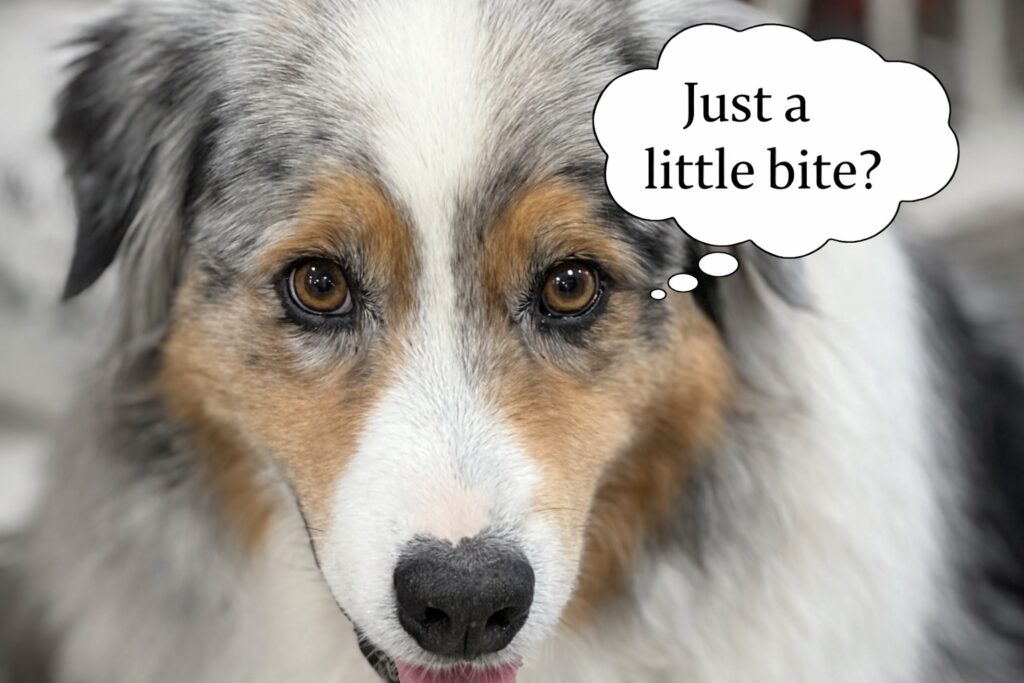
What foods are toxic to dogs? The most dangerous include xylitol (an artificial sweetener), chocolate, grapes, raisins, onions, garlic, alcohol, caffeine, and macadamia nuts. Even small amounts can cause serious, sometimes life-threatening health problems. While this is not a complete list, it covers the most common and dangerous foods dogs are exposed to at home that result in emergency vet visits.
Dogs like my Seven are exactly why this matters. He is always hungry, always watching, and ready to “help.” But here’s the truth: what dogs want and what’s safe are not the same thing.
Seven will try to convince anyone he needs more food. It’s the look every dog owner knows: wide, unblinking eyes, a soft, almost worried expression, and total stillness, like any movement might ruin his chances.
Aussies take it further. There’s calculation behind it. He’s watching, reading, adjusting; working you for the “yes.”
No whining. No noise. Just steady eye contact. Patient, hopeful, slightly tragic. Like he hasn’t eaten in days. Maybe ever.
And for a split second, you believe it. That’s when you have to say no.
The safest approach is to prevent access, teach a strong “leave it” command, and offer dog-safe treats instead.
List of The Most Dangerous Foods That Are Toxic to Dogs
Xylitol (the most dangerous), may also appear as “birch sugar.”
Found in:
- sugar-free gum
- some peanut butters
- protein bars
- certain desserts
Even small amounts can cause:
- low blood sugar
- seizures
- liver failure
Always check labels.
Other toxic foods
- Chocolate – darker is more dangerous
- Grapes & raisins – can cause kidney failure
- Onions, garlic, chives – damage red blood cells
- Alcohol & caffeine – affect the nervous system
- Macadamia nuts – cause weakness and tremors
Foods That Aren’t Toxic, but Still Cause Problems
This is where dogs like Seven get into trouble.
- fatty foods
- dairy
- rich leftovers
- processed snacks
These can lead to vomiting, diarrhea, and long-term digestive issues. Seven acts like he can eat anything. He can’t.
What to Do Instead
Instead of constantly worrying about what your dog might grab, give them better options on purpose.
Lick Mats (simple and effective)
Lick mats are one of the easiest ways to safely give your dog enrichment without overfeeding. They:
- slow dogs down
- reduce begging
- provide mental stimulation
For dogs like Seven, this makes a big difference. He gets the experience of food without upsetting his stomach.
What to Put on a Lick Mat
Always check labels and avoid anything containing xylitol. Here are some of Seven’s favorites:
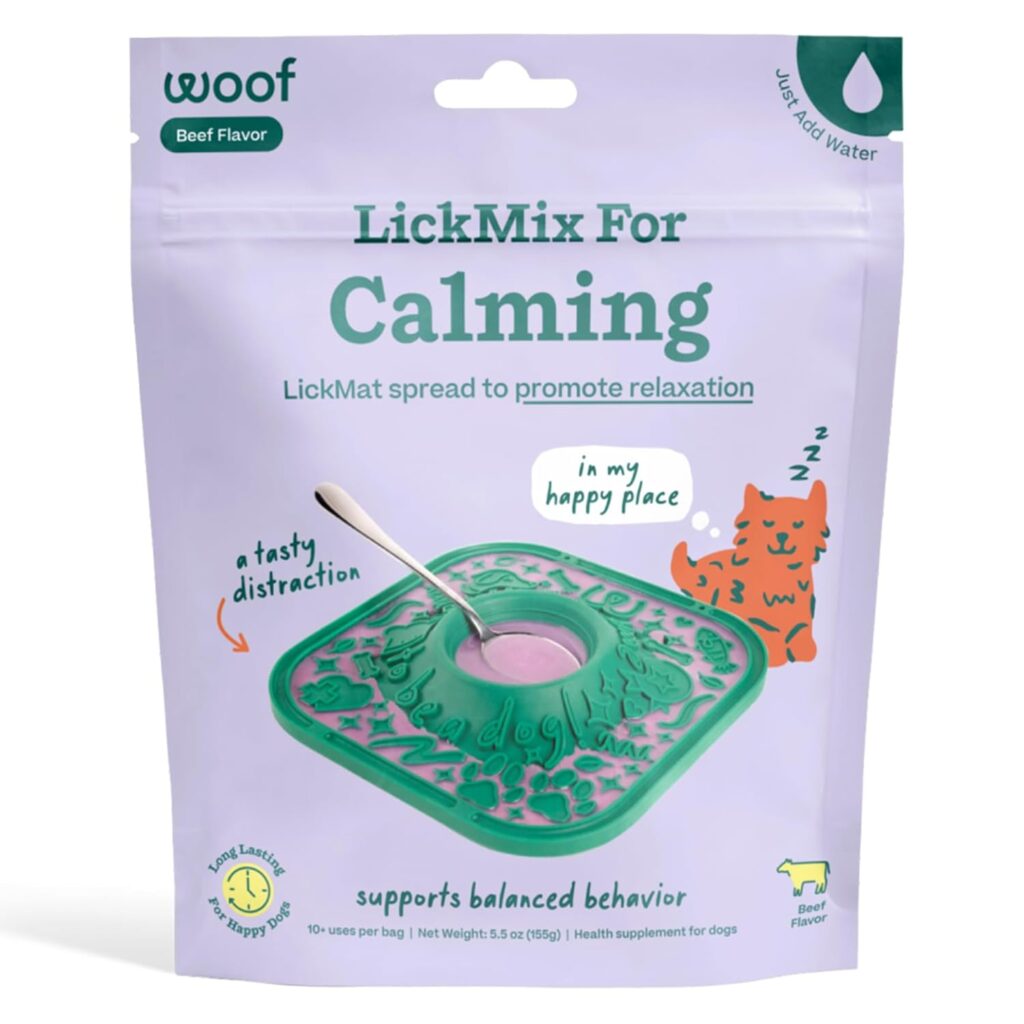
WOOF LickMixes – Dog Lick Mat Spread
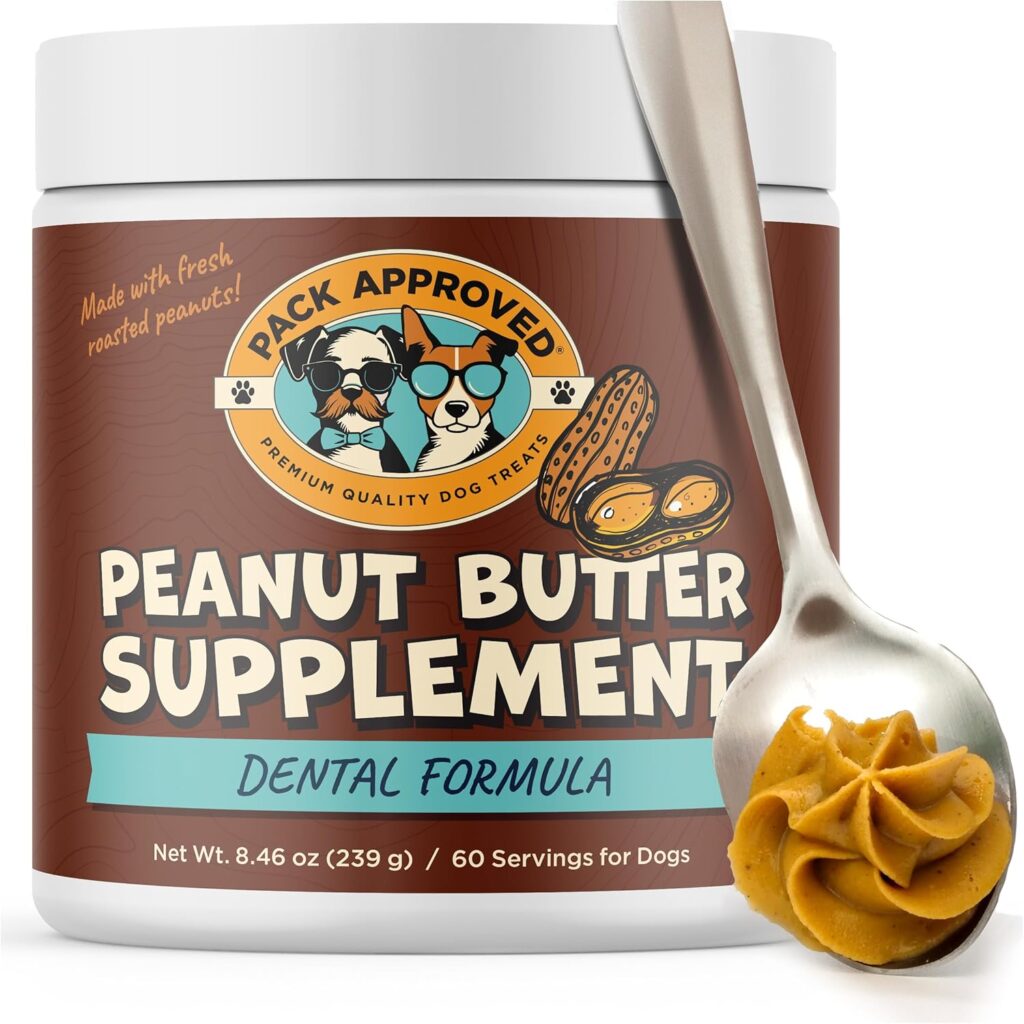
Dog Peanut Butter – with Ocean Kelp to Support Oral Care & Act as Dog Plaque and Tartar Remover
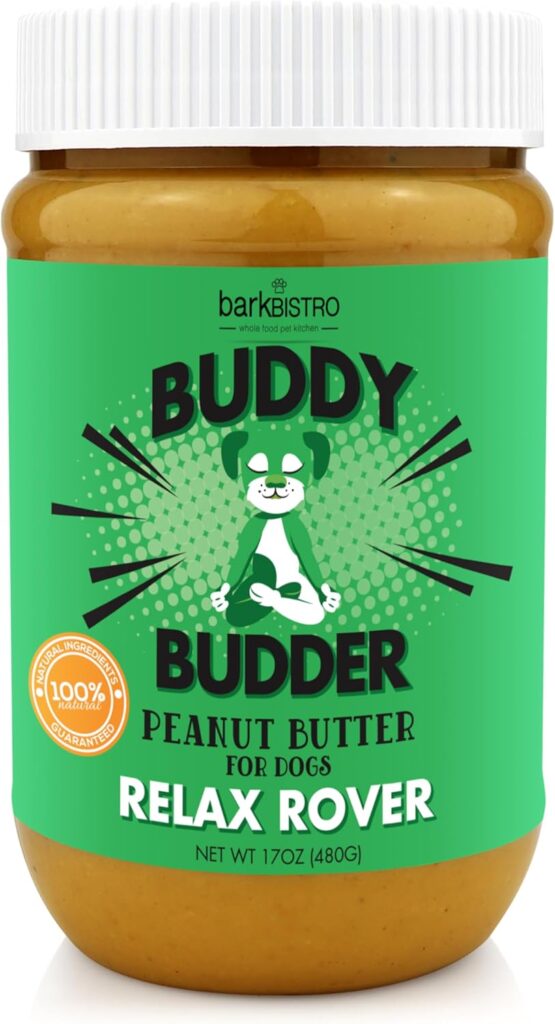
Relax Rover Buddy Budder (Stress + Anxiety), 100% Natural Dog Peanut Butter, Dog Supplement
The Real Problem: Access
Most issues don’t come from what you feed your dog. They come from what your dog gets into. That’s why you need to teach “Leave It” (this can save your dog). This is not optional. It’s a safety command. It prevents:
- grabbing dropped food
- eating something toxic
- picking up things on walks
How to teach it
- Closed hand with a treat → reward when they back off
- Add the cue: “leave it”
- Practice with open hand → then the floor
- Use in real life
Consistency is everything.
What to Do If Your Dog Eats Something Toxic
Act quickly. Call immediately:
- ASPCA Animal Poison Control: (888) 426-4435
- Pet Poison Helpline: (855) 764-7661
Then contact your vet or an emergency clinic. Do NOT induce vomiting unless instructed.
Watch for dog poisoning symptoms:
- vomiting
- lethargy
- tremors
- loss of coordination
Early action can make all the difference.
Final Thought
Dogs like Seven will always act hungry. That does not mean they need more food. And it doesn’t mean you need to memorize everything. You need a system:
- limit access
- teach “leave it”
- offer better alternatives
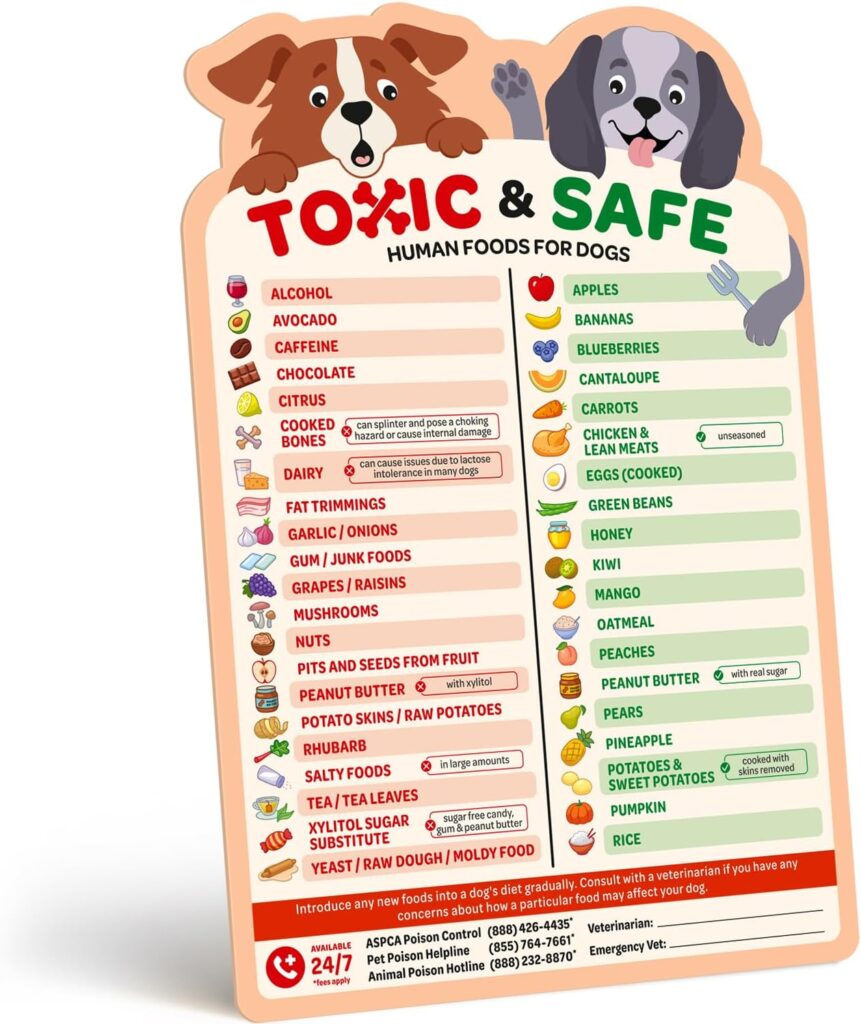
A quick-reference chart like this—right on your fridge—can make a big difference when you need answers fast.
Because in the moment something hits the floor, training, not intention, is what keeps your dog safe.
FAQs
- What is the most toxic food for dogs?
Xylitol (an artificial sweetener) is one of the most dangerous substances for dogs. It’s commonly found in sugar-free gum, candy, baked goods, and some peanut butters. Even small amounts can cause a rapid drop in blood sugar, seizures, and liver failure. Other highly toxic foods include chocolate, grapes, and raisins, but xylitol acts the fastest and can be life-threatening very quickly.
2. How quickly do symptoms appear?
It depends on what your dog ate. With xylitol, symptoms can appear within 10 to 60 minutes. With other toxins like chocolate or grapes, symptoms may take a few hours to develop. Common dog poisoning symptoms include vomiting, lethargy, tremors, weakness, and loss of coordination. If you suspect your dog ate something toxic, don’t wait for symptoms. Call for help immediately.
3. Should I make my dog throw up?
No. Do not induce vomiting unless a veterinarian or poison control expert tells you to. Some substances can cause more damage coming back up, and timing matters. The safest step is to call your vet, the ASPCA Animal Poison Control Center, or the Pet Poison Helpline for guidance before taking any action.
👉 When in doubt, it’s always safer to call than to wait.
If you enjoyed this story, I share more heartwarming, real-life moments with dogs on my Substack: thoughtful, dog-centered stories that celebrate the bond we build, one moment at a time.
Disclosure
This post may contain affiliate links. If you purchase through these links, I may earn a small commission at no additional cost to you.