
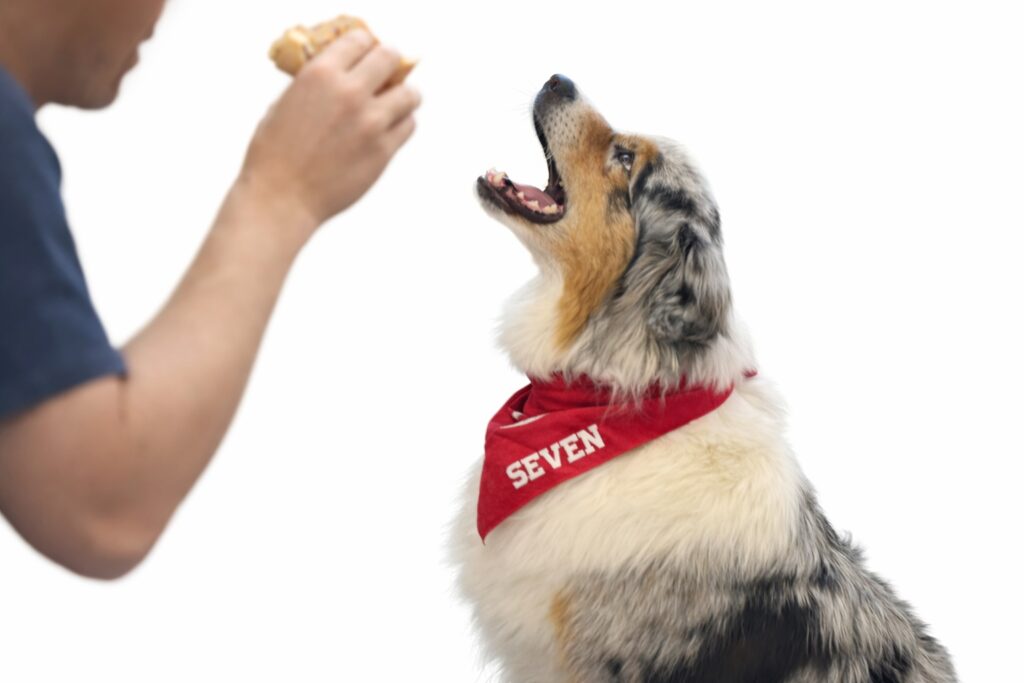
🐾 Part of the “What Dogs Can and Can’t Eat” Series
For many of us, food is how we show love, including to our dogs. But before you share a bite, it’s important to know which human foods are safe for dogs and which can be harmful. Sugar and sugar substitutes may seem harmless, but they can pose real risks to your dog’s health.
You’re eating something, and your dog is right there, watching, waiting, completely focused. Not begging exactly (unless his name is Seven). Just present. And you wonder: What’s one bite?
The truth is most of us have done it. I’ve done it. It’s part of living closely with dogs. Sharing space, sharing time, and sometimes, sharing food. But not everything that feels harmless actually is.
Why This Happens (And Why It’s So Hard to Say No)
Dogs don’t just sit near us when we eat. They tune in. They watch our faces. They feel our attention shift. They stay close in a way that makes even a small moment feel shared.
Of course we want to include them. It doesn’t feel like “feeding your dog.” If you’re like me, it feels like connection.
The Protein Trend, GLP-1 Diets, and What It Means for Dogs
Right now, protein is everywhere. Many of us are trying to eat more of it, whether for general health or as part of GLP-1 medications and other weight management approaches that reduce appetite and shift eating habits.
The challenge is that many of these high-protein products such as bars, pastries, yogurts, and more are also packed with artificial sweeteners and sugar substitutes. That’s where things get tricky for dog owners.
What feels like a harmless bite to share may contain ingredients that aren’t ideal for dogs. In some cases they can be downright dangerous.
This is especially true with sweeteners. Some are tolerated in small amounts, but others, like xylitol (sometimes listed as birch sugar), should never be shared with dogs at all.
Common Foods People Share (And What to Know)
🟢 Usually Safe in Small Amounts
· Plain yogurt (no artificial sweeteners or xylitol)
· Cooked chicken (plain, no seasoning)
· Peanut butter (xylitol-free only)
· Carrots or apple slices (no seeds)
🟡 Okay Occasionally (Watch for Sensitivity)
· Cheese (can cause digestive upset)
· Eggs (plain, cooked)
· Small amounts of bread or simple carbs
🔴 Foods to Never Share
· Chocolate
· Grapes or raisins
· Onions or garlic
· Alcohol or caffeine
· Anything containing xylitol or birch sugar
What to Have Nearby Instead (So You Can Still Say Yes)
The hardest part isn’t knowing the rules. It’s that moment when your dog looks at you and you want to say yes. So instead of fighting that instinct, redirect it.
Keep a few dog-safe options nearby so you can still share the moment, without sharing your food.
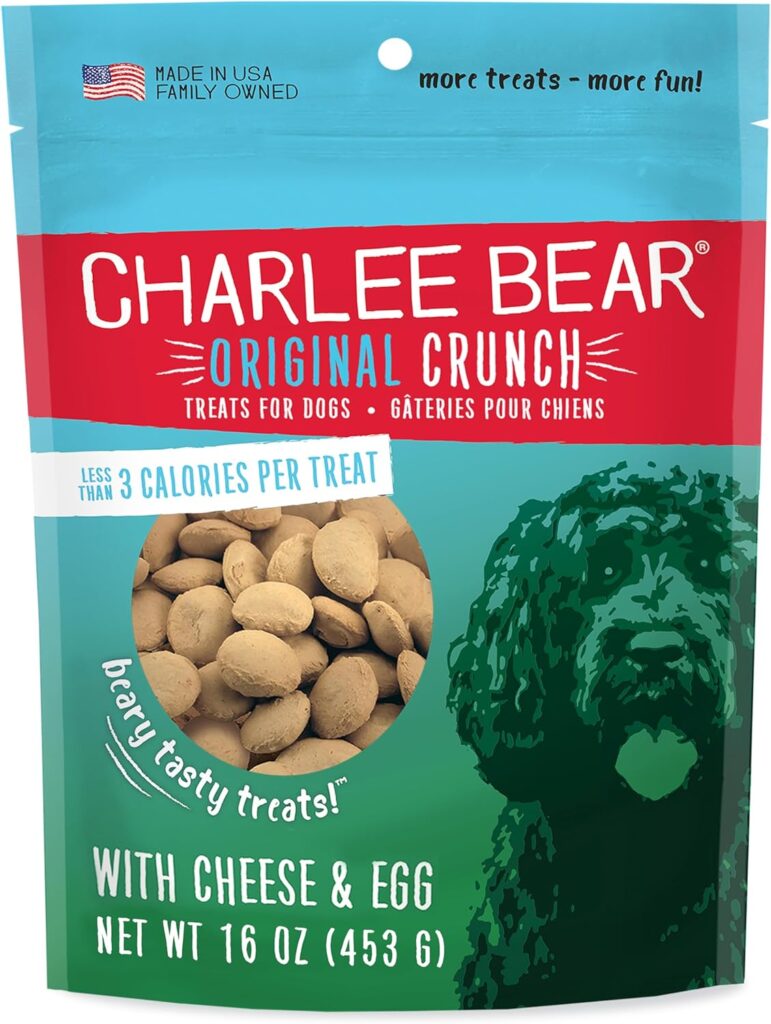
🐾 My Go-To: Charlie Bears
Charlie Bears are my number one go-to treat, and I keep them with me all the time. They don’t smell (which matters more than people think), they’re small enough to use often, and most dogs absolutely love them. It’s an easy, reliable way to say yes without overthinking it.
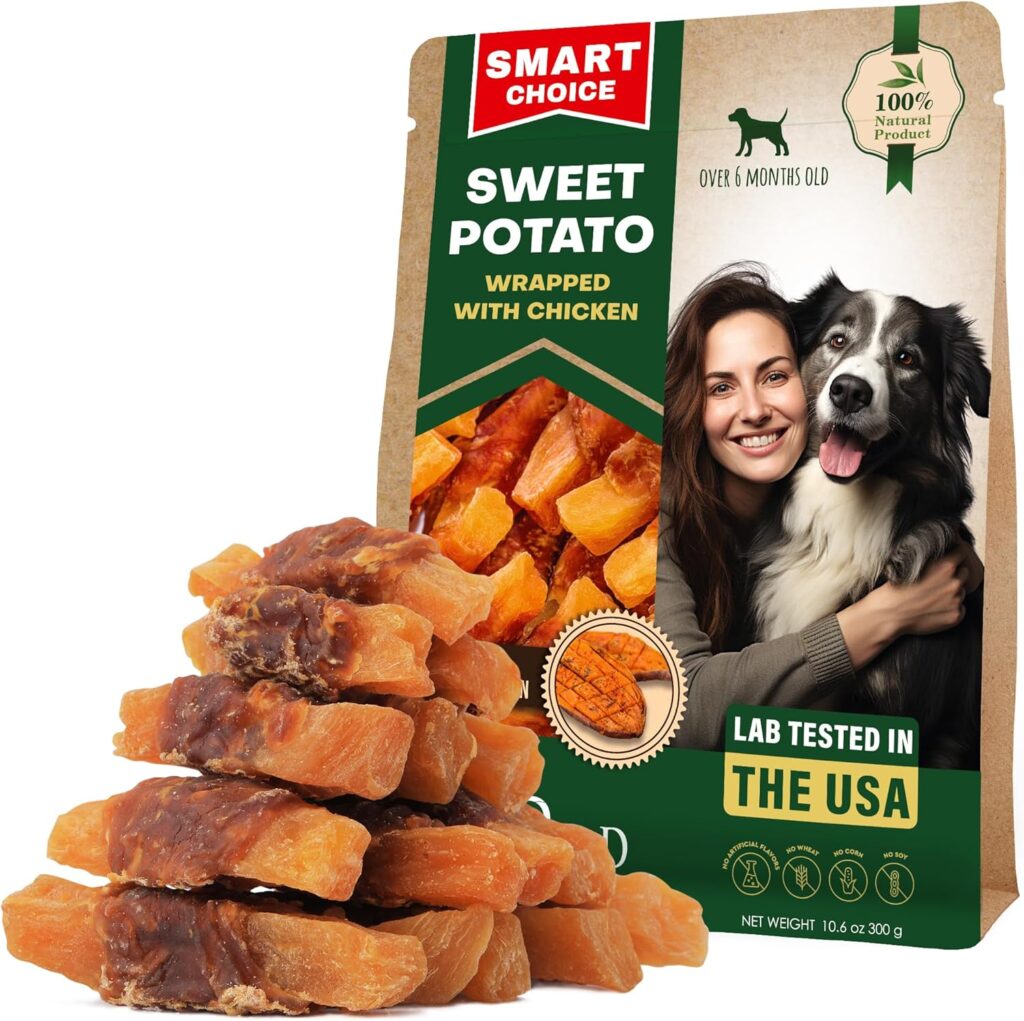
🐾 Dog Sweet Potato Wrapped with Chicken
These are naturally sweet, dog-safe, and take a little longer to chew, which makes them great when you want your dog occupied while you’re eating.
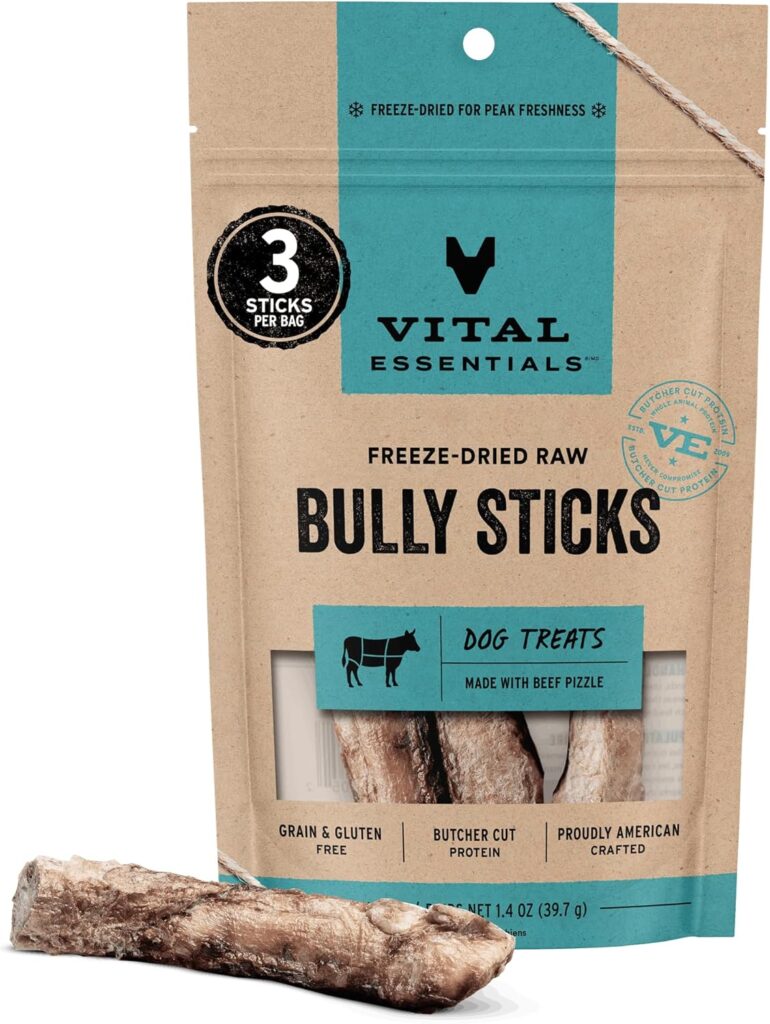
🐾 Vital Essentials Freeze Dried Bully Sticks
Unlike rawhide, bully sticks are generally considered a safer option for dogs. Rawhide can soften and become a choking or blockage risk if swallowed in large pieces. Bully sticks are more digestible, but as with any chew, it’s still important to supervise your dog while they enjoy them.
🐾 Stuffable Toys (Your Mealtime Backup Plan)
Toys like Kong give you a way to give them something of their own while you eat and keep their eyes off your plate. If you add something dog-safe inside and freeze it, it lasts longer and keeps them engaged.
Give your dog something of their own when you sit down to eat. It keeps them busy and makes them feel included.
That way, when your dog looks at you, you still get to say yes.
The Dog Who Ate Everything (And Lived to 20)
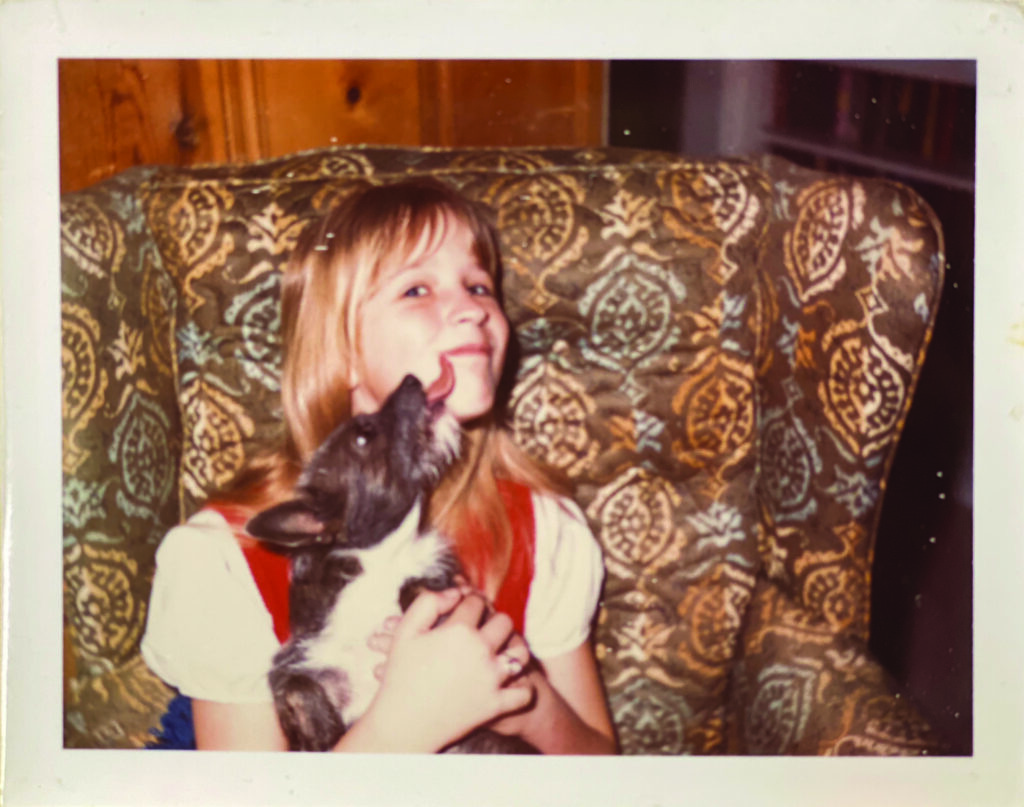
I’ll be honest: I didn’t always think about any of this the way I do now.
My childhood dog, Siesta, never ate dog food a day in her life. She ate from my plate (much to my dad’s disappointment), and my mom regularly shared things like bologna and even donuts.
At one point, when Siesta was 17, the vet told my mom it might be time to consider putting her down.
My mom took her home, unsure what to do. Then, Siesta ate an entire donut. My mom looked at her and thought, There is no way I’m putting down this dog after she just ate a whole donut.
Siesta lived for three more years, until the ripe old age of 20. Without a bite of dog food.
What That Story Really Means
Stories like that are part of why this is so confusing. We all know a dog who “ate everything” and lived a long life. And sometimes, they do.
But what we understand more clearly now is that not all foods — especially not all modern, processed foods — are the same.
Ingredients have changed. Sweeteners have changed. And some things that seem harmless can have very different effects on dogs.
So, yes, there’s history, and there are stories like Siesta. But there’s also what we know now. The goal isn’t perfection. It’s awareness.
A Different Way to Share the Moment
The real reason we want to share is not about the food. It’s about connection. Dogs sit with us. They stay close. They make even ordinary moments feel like something. Of course we want to include them.
Sometimes the best thing we can give our dogs isn’t what’s on our plate. It’s our attention. Our presence. The quiet moment of just sitting together.
Have you ever noticed how your dog settles just by being close to you? That’s something I’ve been exploring more intentionally through Sit With Me, a series of guided meditations you can do with your dog. It’s a place to slow down, settle, and reconnect — with them, and with yourself.
✨ Continue the Series: What Dogs Can and Can’t Eat
Explore more posts in this series:
- Can Dogs Eat Yogurt? Benefits, Risks, and Safe Yogurt Treats
- What Foods Are Toxic to Dogs? Complete List
- Are Yams Good For Dogs?
- Can Dogs Eat Nuts? What to Know Before You Share
This post may contain affiliate links. If you purchase through them, I may earn a small commission at no additional cost to you.