
The Best Amazon Finds for Training, Comfort, Love, and Helping Rescue Dogs Feel Safe
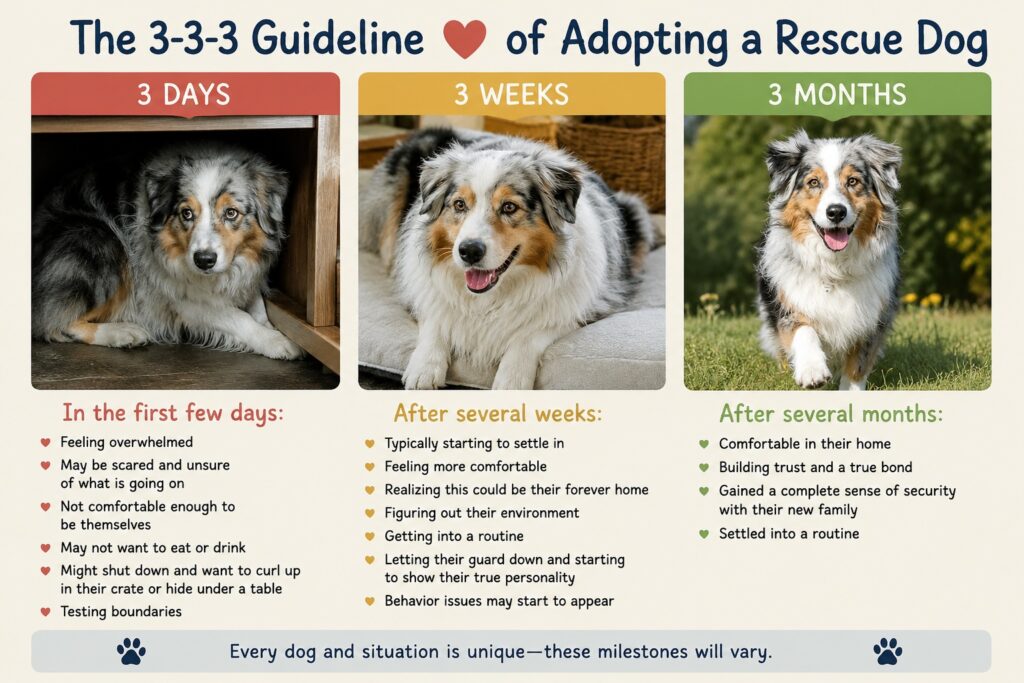
What do you really need after adopting a rescue dog? Patience comes first. But having the right products can make the transition much easier for both the dog and their new human.
Rescue organizations refer to the “3-3-3 Rule” for adopted dogs:
• 3 days to decompress
• 3 weeks to begin to understand your routine
• 3 months to truly feel at home
Some dogs settle quickly. Others need much longer.
My Rescue Boy
Seven is a rescue. My beautiful boy was originally destined for the show ring, but as he grew, the breeder became concerned he wouldn’t meet breed standards. He had a red undercoat and a slightly turned-out foot, so she decided not to continue showing him.
By the time I found him, he was already ten months old and had spent most of his young life in an outdoor kennel with other show dogs, rarely being indoors. When I brought him home, the transition was overwhelming for him. For nearly a month, he wouldn’t even come inside.
I Didn’t Force Him
I let him move at his own pace.
One thing that helped enormously was having a doggie door so he could choose where he felt safest. For a while, he preferred to stay outside. Gradually, as trust grew, he started spending more time indoors.
Now He Completely Rules the House
That experience taught me something important about rescue dogs: many carry histories we know nothing about. Some came from loving homes, while others came from neglect, instability, fear, or environments where they never fully relaxed.
The right products cannot replace patience and love, but they can absolutely help rescue dogs feel safer as they adjust.
1. Training
Many rescue dogs are anxious during walks or have never learned loose-leash skills. A gentle front-clip harness can help guide dogs safely without resorting to harsh corrections.
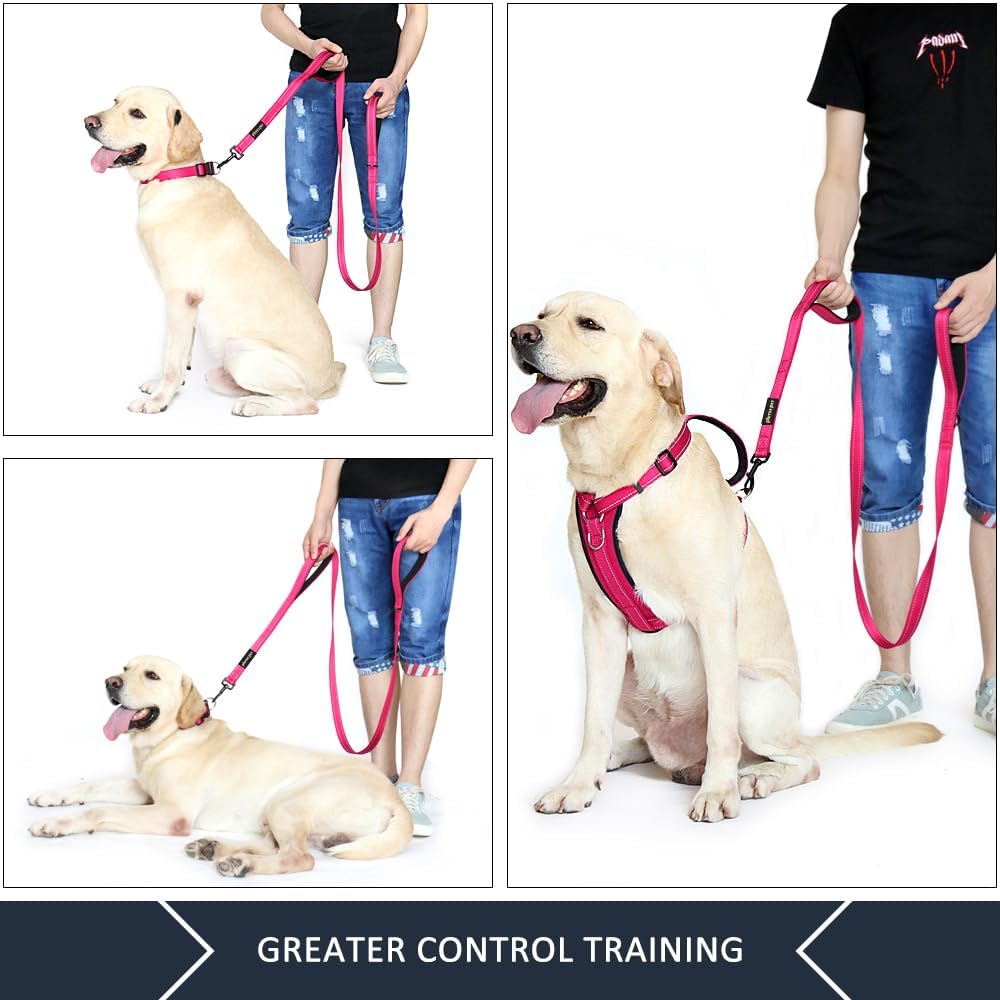
Why I like it:
• Helps reduce pulling
• Encourages calmer walks
• Safer and gentler than harsh correction collars
• Useful during the adjustment period
2. Comfort
Many rescue dogs finally begin sleeping deeply once they realize they are safe. A calming bed can help create that feeling of security.
Best Friends by Sheri The Original Calming Donut Dog Bed
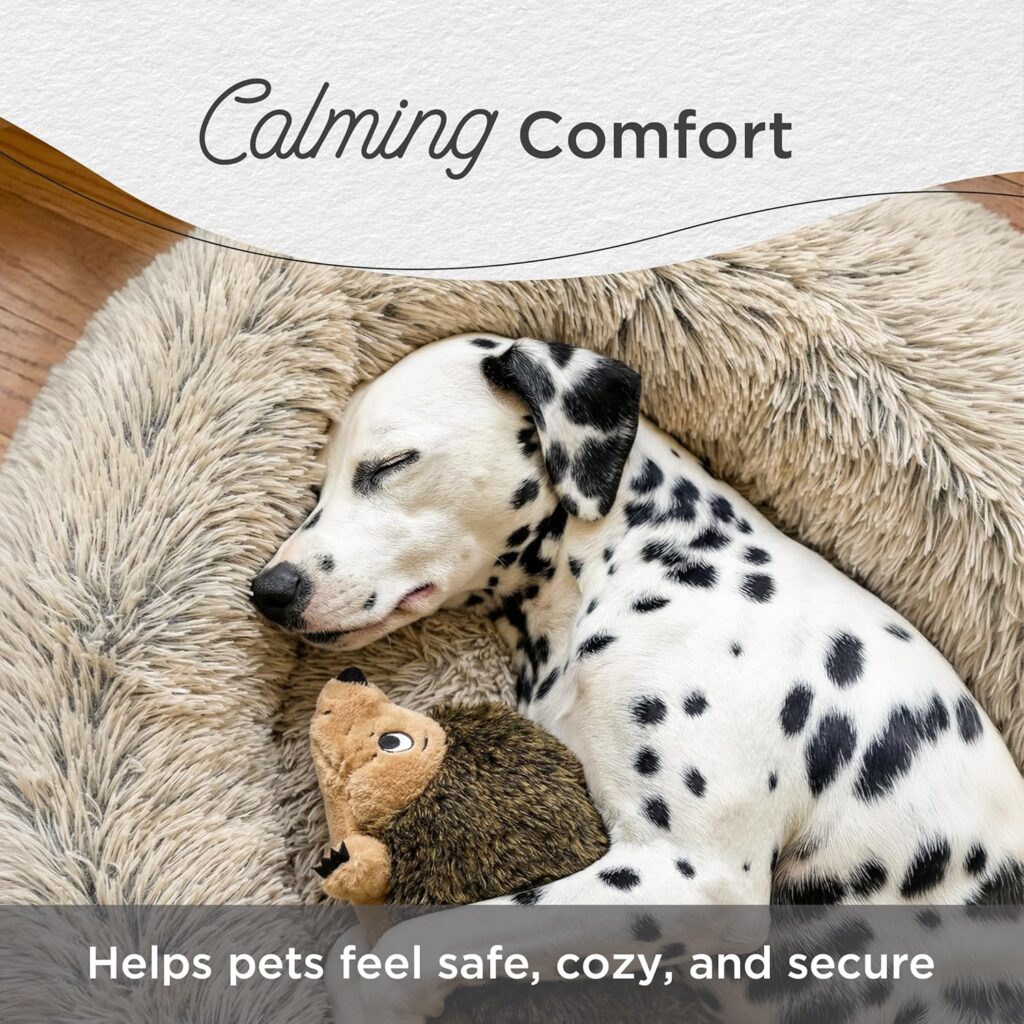
Why it helps:
• Soft, raised edges help dogs feel protected
• Comforting for nervous dogs
• Washable
• Ideal during decompression
3. Love and Confidence Building
Love is more than affection. For rescue dogs, love also means patience, routine, enrichment, and support in building their confidence. Puzzle toys can help nervous dogs focus, problem-solve, and relax.
Outward Hound Nina Ottosson Dog Brick Puzzle
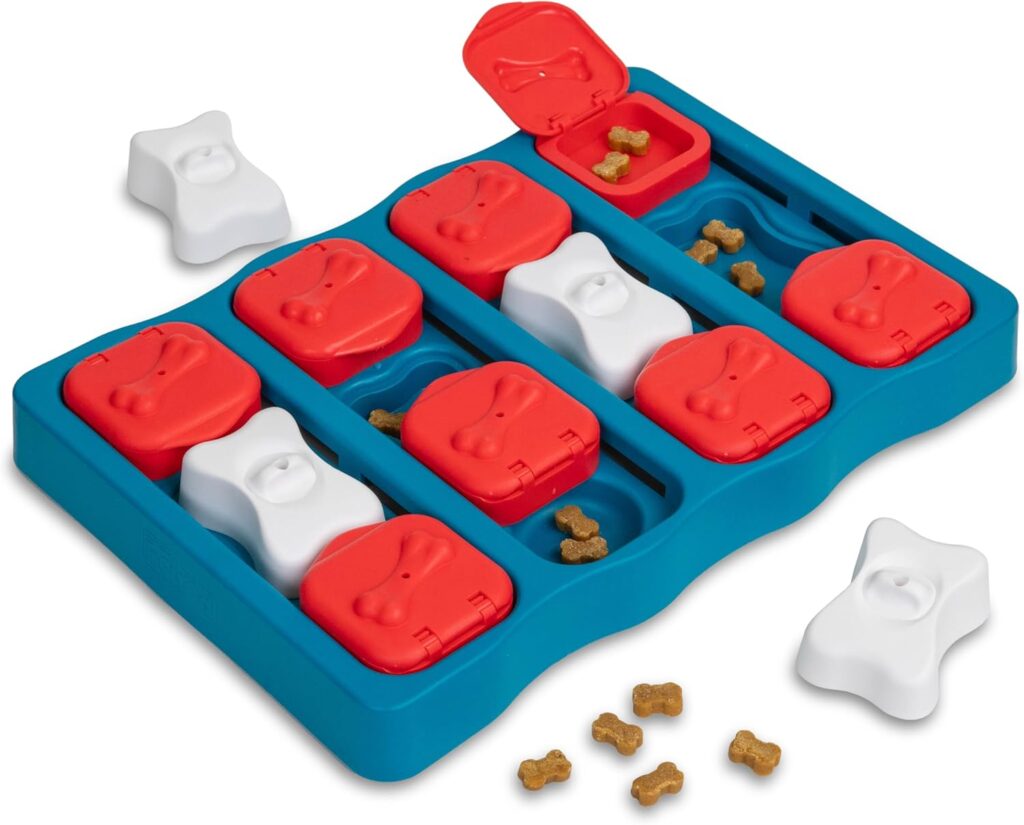
Why I recommend it:
• builds confidence
• provides mental stimulation
• helps reduce stress boredom
• creates positive interaction with owners
The Product That Changed Everything for Seven
The biggest game-changer for Seven was a doggie door. Having the freedom to choose where he wanted to be gave him time to get used to his new digs. For people who work full time, doggie doors can also be a lifesaver. They allow dogs to take potty breaks, enjoy sunshine, fresh air, and movement throughout the day.
Most importantly, for nervous dogs, they offer choice.
PetSafe Extreme Weather Aluminum Pet Door
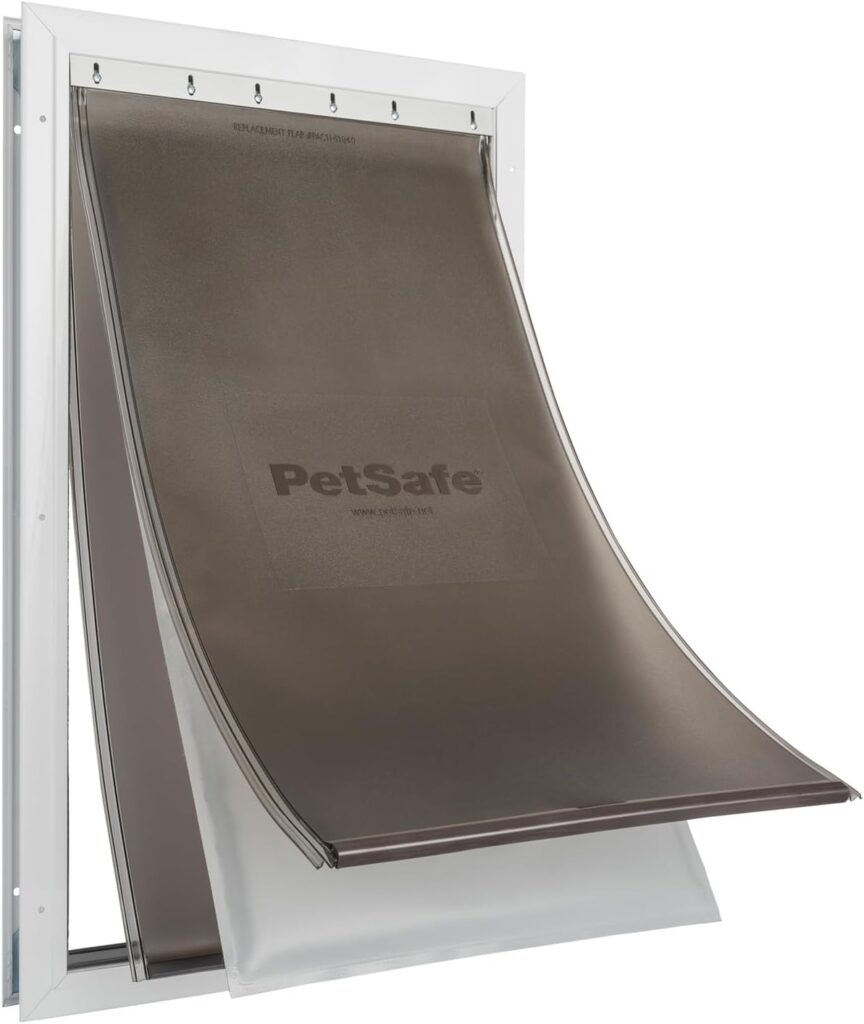
Why it’s worth considering:
• Insulated flaps provide weather protection
• Gives dogs freedom and choice
• Especially helpful for nervous dogs
• Helpful for working dog parents
• Locking panel adds security
Sometimes, rescue dogs do not need us to rush them. They simply need safety, routine, patience, and the freedom to settle in at their own pace.
And often, they end up rescuing us right back.
FAQ
How long does it take a rescue dog to adjust?
Many rescue organizations use the 3-3-3 rule: roughly 3 days to decompress, 3 weeks to begin establishing routines, and 3 months to start settling into a new home.
What is the best thing you can do for a rescue dog?
Patience. Giving rescue dogs time, routine, safety, and gentle structure is often more important than perfect training.
Are puzzle toys good for rescue dogs?
Yes. Puzzle toys provide mental enrichment, build confidence, and relieve stress during the adjustment period.
Are doggie doors good for rescue dogs?
For many dogs, yes. Doggie doors can reduce stress by giving dogs more freedom and control over where they feel safest.
As an Amazon Associate, I earn from qualifying purchases. This means I may receive a small commission if you purchase through my links, at no extra cost to you. I only recommend products I genuinely believe may help dogs and their people.