
A simple, positive approach that builds confidence, connection, and a love of the game
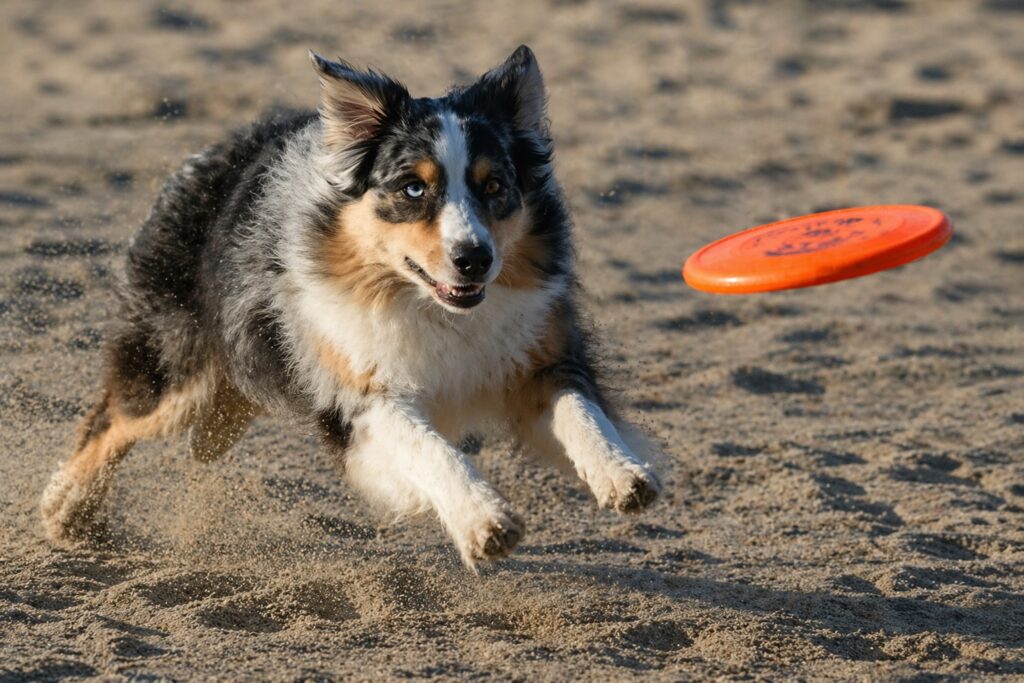
Teaching a dog to catch a frisbee is a process of building confidence and drive; moving from simple “ground play” to those impressive mid-air catches. Since high-energy herding breeds are often natural athletes, they tend to pick this up quickly once they understand the “rules” of the disc.
So, as an Australian Shepherd, Bliss was a natural. Her frisbee skills helped land her multiple commercial roles. She could track, leap, and catch like it was second nature. Watching her work wasn’t just impressive, it was a reminder of how much dogs love having a job and being in sync with their person.
Now, Paige Turner — also an Australian Shepherd — is following in her paw steps. She doesn’t do it exactly the same way Bliss did though, and that’s the point: every dog learns differently. But the process? That stays consistent. And it’s simpler than most people think.
Start With Interest (Not the Throw)
Most people make the same mistake; they toss the frisbee and expect the dog to figure it out. That’s not how it starts. It starts with curiosity. Let your dog:
- sniff the disc
- pick it up
- tug with it
- chase it a few feet
Make it feel like a game, not a lesson. If your dog isn’t interested in the frisbee itself, they won’t be interested in catching it.
Use the “Roller” Trick First
Before you ever throw it in the air, roll it. A “roller” is when you send the frisbee along the ground on its edge, so it moves like prey. This is the fastest way to teach dogs to chase and grab it successfully. It works because the disc is easier to track, and the method taps into instinct and builds confidence quickly. Once your dog is consistently chasing and grabbing the roller, you’re ready to move on
Keep the First Catches Easy
When you start tossing it, keep everything small.
- short distance
- low height
- soft throws
You’re not trying to impress anyone. You’re building success. Let your dog win. That’s how Bliss and Paige Turner learned.
Build the Catch Over Time
Once your dog starts catching:
- gradually increase distance
- add a little height
- keep sessions short and positive
End while they’re still excited so they’ll keep coming back for more. Frisbee isn’t just about athletic ability, it’s about timing, confidence, and connection.
The 3 Frisbees I Actually Recommend
Not all frisbees are safe for dogs. Hard plastic discs can damage teeth or gums. Dog-specific discs are designed to be flexible, with softer edges. Here are 3 I like for different stages:
1. Beginner-Friendly: Soft and Forgiving
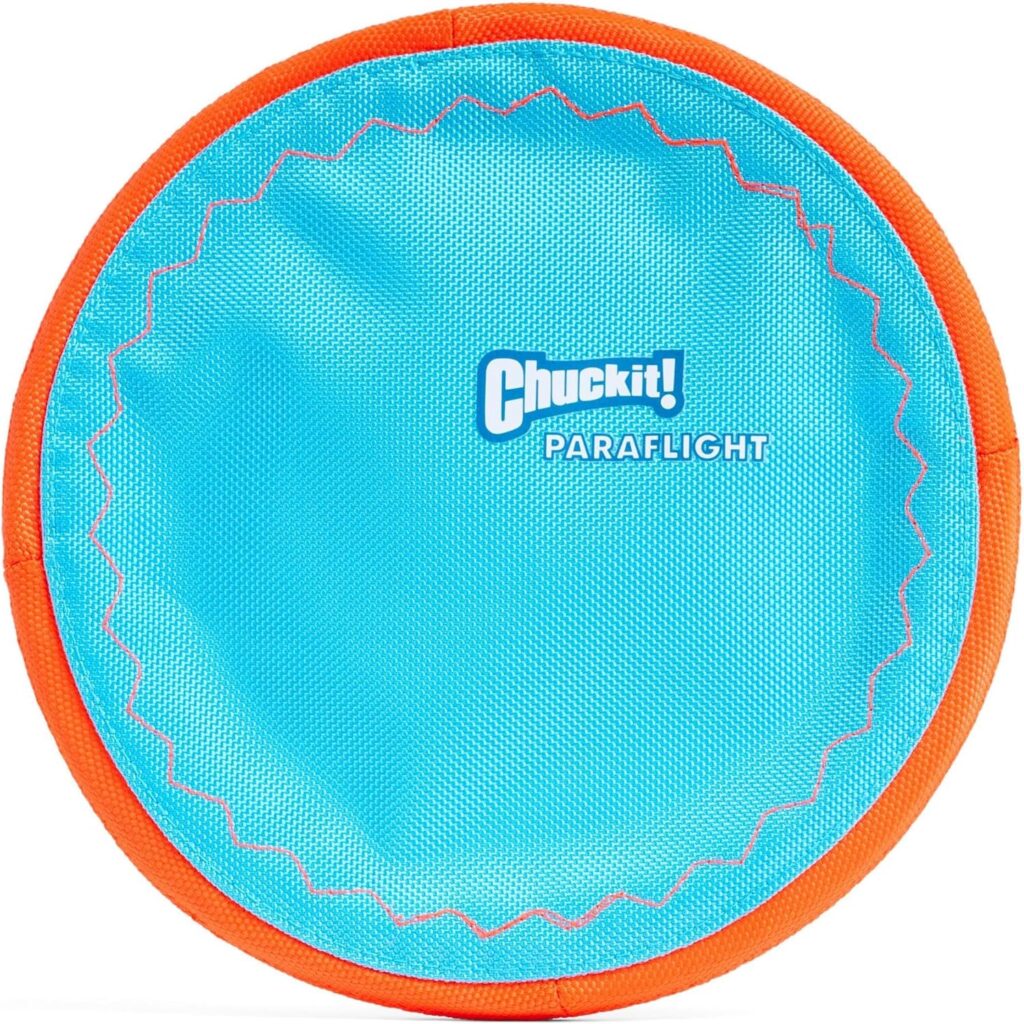
Chuckit! Paraflight Dog Frisbee
- soft outer edge
- gentle on mouths
- slower flight makes it easier to catch
This is a great starting point, especially for dogs who are new to the game.
2. Easy and Affordable Starter
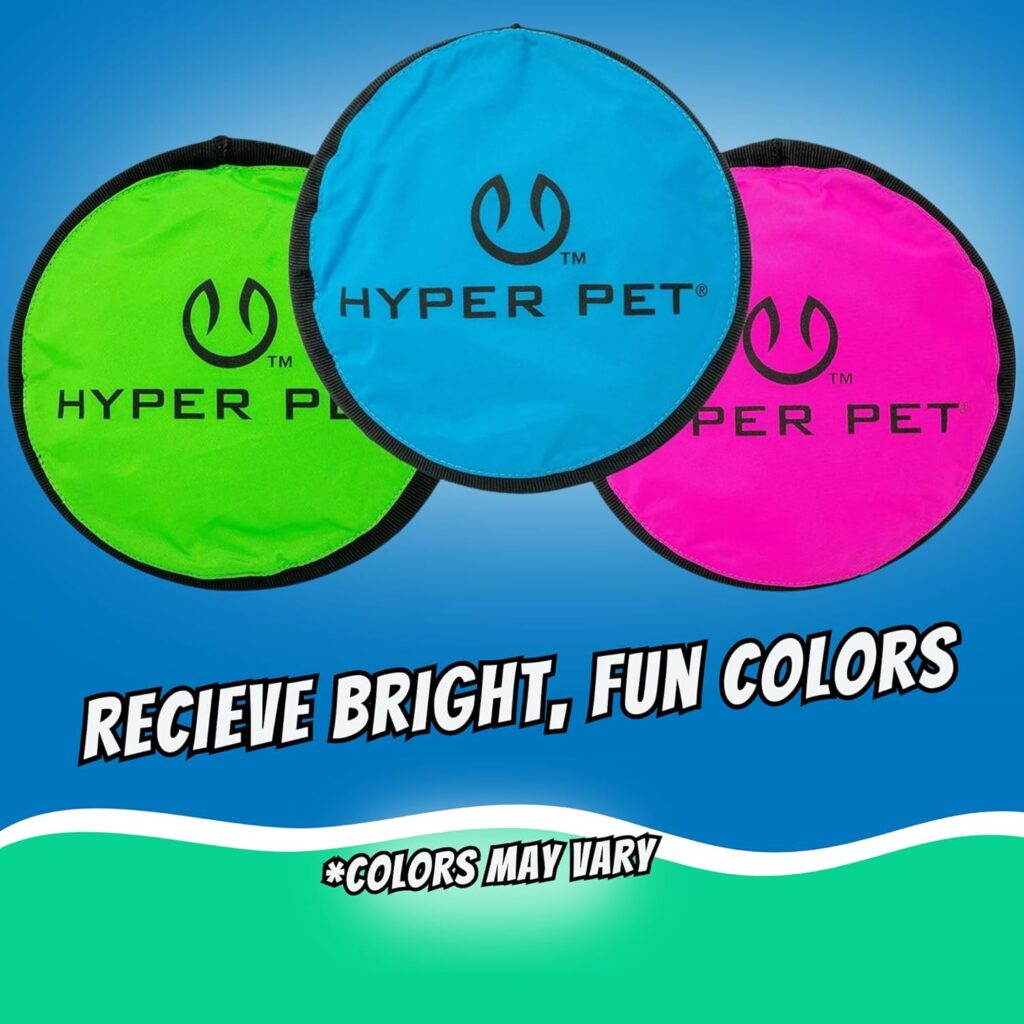
- lightweight
- easy to throw
- floats (great for beach days)
If you’re just getting started, this is a simple, low-cost way to see if your dog enjoys it.
3. Durable for Advanced Play
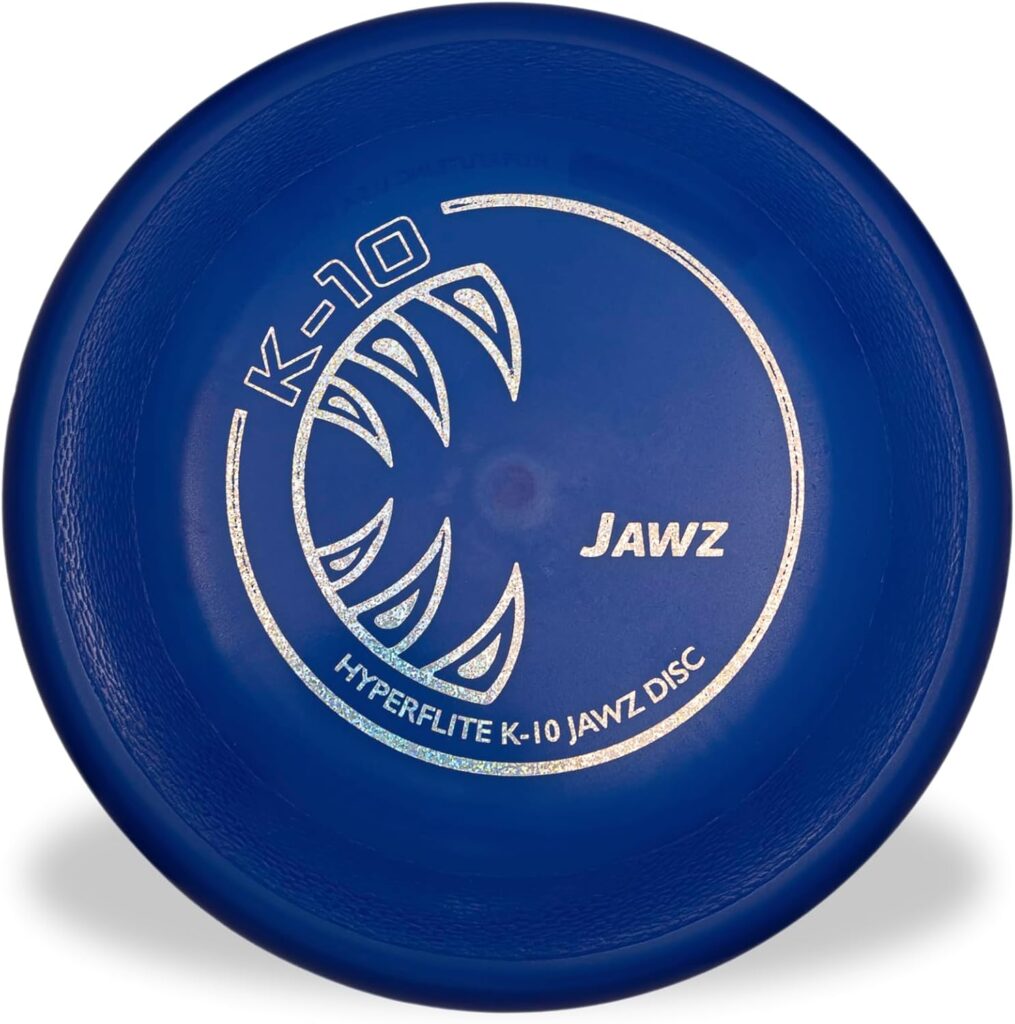
- more structured
- flies farther and more accurately
- made for dogs who are really into it
This is closer to what dogs like Bliss used when working at a higher level.
It’s Not Just About the Catch
Teaching a dog to catch a frisbee isn’t just about the catch. It’s about that moment when they lock in with you. When they’re watching your hands, reading your movement, and waiting for the release.
It’s focus. It’s trust. It’s connection in motion. Bliss and Paige Turner have it. And once your dog feels it, you’ll see the difference right away.
A Quick Note on Safety
- Always use dog-specific discs
- Avoid hard plastic or sharp edges
- Play on soft ground when possible
- Keep sessions short, especially in warm weather
You want this to stay fun and safe.
Tell Me This: Does your dog chase or catch a frisbee yet? Or are they still in the “this is just a weird plate” stage?
If this helped, feel free to share it with another dog parent, or save it for your next play session.
Frisbee play is fun. But for me, it’s also something more. It’s one of those moments where everything else drops away, and it’s just you and your dog, completely connected.
That’s the same feeling I explore more deeply over on my Substack, where I share stories and reflections about the human–animal bond—and how our dogs help us feel better in ways we don’t always expect. If you’d like more of that, you can join me there.
By the way, I’m sure Seven would like it noted that frisbee sessions should always end with snacks. Paige Turner would agree.
Affiliate Disclaimer: As an Amazon Associate, I may earn a small commission from qualifying purchases at no additional cost to you.