
Connection, Clarity, and Control
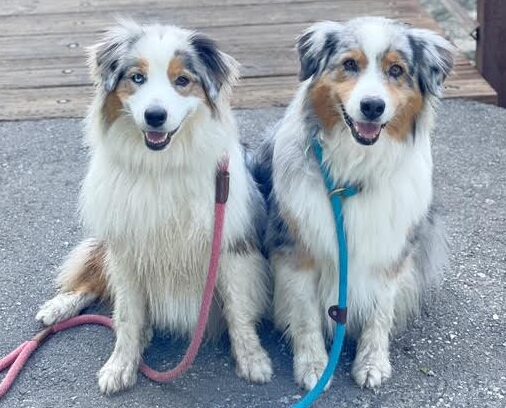
The right leash supports clear communication, keeping you and your dog confident and safe. A good leash is more than a tether. It’s a training tool, a safety device, and a language line between two nervous systems—yours and your dog’s. Fit, length, and material all shape how your walks feel and how well your dog can understand what you’re asking.
Why I Don’t Use Retractable Leashes
Retractable leashes are one of my biggest pet peeves. They don’t communicate. Instead, they put distance and delay between you and your dog. That moving spool turns crisp feedback into static, which makes loose-leash manners harder, if not impossible, to learn.
What Can Go Wrong
- Sudden stop injuries. Small dogs that sprint to the end can whip or flip, risking neck or back strain.
- Poor control with big dogs. When momentum builds, the handle and braking mechanism don’t give you the same leverage as a standard 4–6 foot leash.
- Cord hazards. Thin lines tangle, trip people, and can burn hands if grabbed.
- Muddy communication. The constant tension and changing length make it harder for dogs to feel when the leash is truly loose.
The One Exception: Controlled Recall Practice
Think of a retractable leash as a temporary training tool, not as a daily leash. Retractable leashes can be helpful for developing a reliable recall in a quiet, open space. The adjustable length allows you to create distance while keeping your dog tethered from harm. When I served as a therapy dog evaluator, I sometimes used a retractable leash during the recall part of the test to simulate distance while maintaining control. My preference is a long lead, though.
How to Use One Safely to Teach a Solid Recall
- Choose a quiet space with no traffic or other dogs.
- Clip to a harness (not a collar) to protect the neck.
- Start with a short, locked length. Cue “Come,” reward at your feet.
- Gradually add distance. Relock before your dog can build speed to the end.
- Retire the retractable leash once your dog’s recall is solid; then use the standard leash of your choice.
Why I Reach for Slip Leads
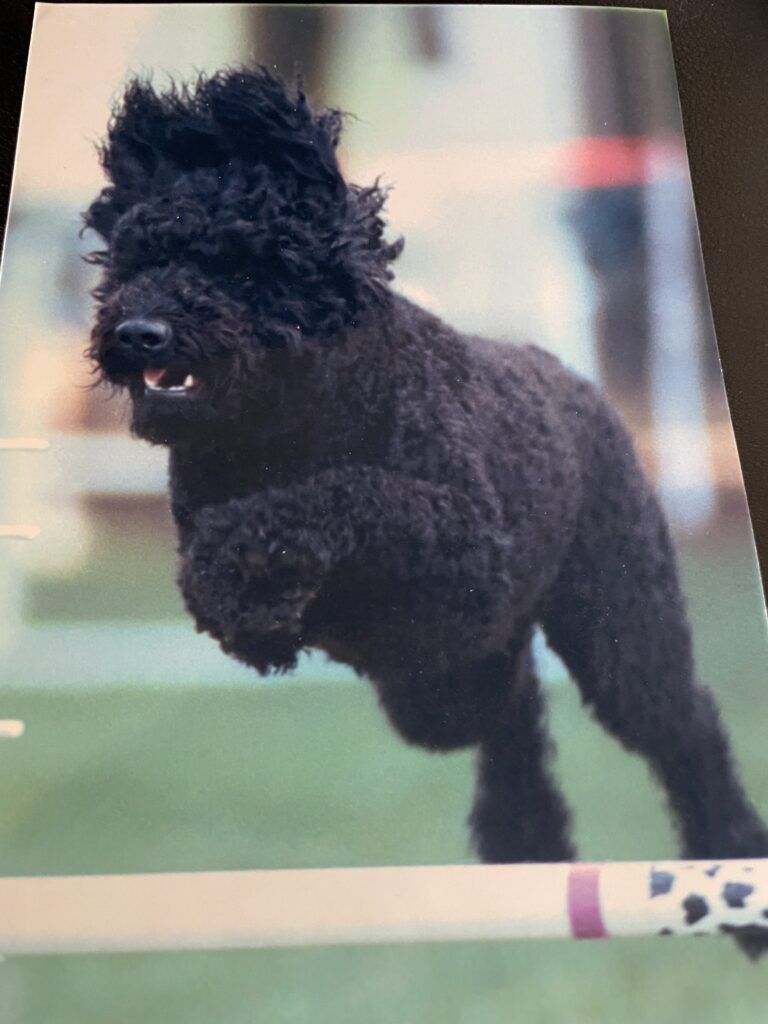
I first fell in love with slip leads in agility with Baldwin. They slide on and off quickly at the start line, and they’ve remained one of my favorite tools for daily training and therapy dog work.
What I Like About Slip Leads
- Fast on/off with no fumbling clips.
- Clear feedback. Gentle pressure and immediate release teach attention and position.
- Adjustable control. I don’t go longer than 6 feet and shorten as needed. By wrapping around my hand or wrist
How to Fit and Use
- Place the loop high on the neck behind the ears for clarity and control.
- Set the stopper so the loop can’t loosen and drift.
- Keep the leash relaxed; reward a slack line.
- Safety: never leave a slip lead on an unattended dog. For dogs with tracheal sensitivity or brachycephalic breeds, use a well-fitted front-clip harness for daily walks and reserve the slip lead for brief, supervised training.
Loose-Leash 101: A Quick Start
- Start indoors. Use your slip lead or a flat 6-foot leash.
- Paid check-ins. Each glance up earns a “yes” and a treat at your thigh.
- Stop–go rule. If the leash tightens, you stop. The second it slackens, you go.
- Change direction. Calm 180-degree turns teach your dog to stay with you. Reward when the leash is soft.
- Pattern walk. Count 1-2-3; at “3,” deliver a treat to build rhythm and focus.
- Level up slowly. Add distractions in short sessions. End while you’re winning.
Choose your material
- Rope: (my first choice): soft in the hand, great feel, easy to hold.
- Leather: supple, strong, and glides for clean pressure–release.
- Biothane: waterproof, odor-proof, and wipe-clean for beach days, rain, or therapy visits.
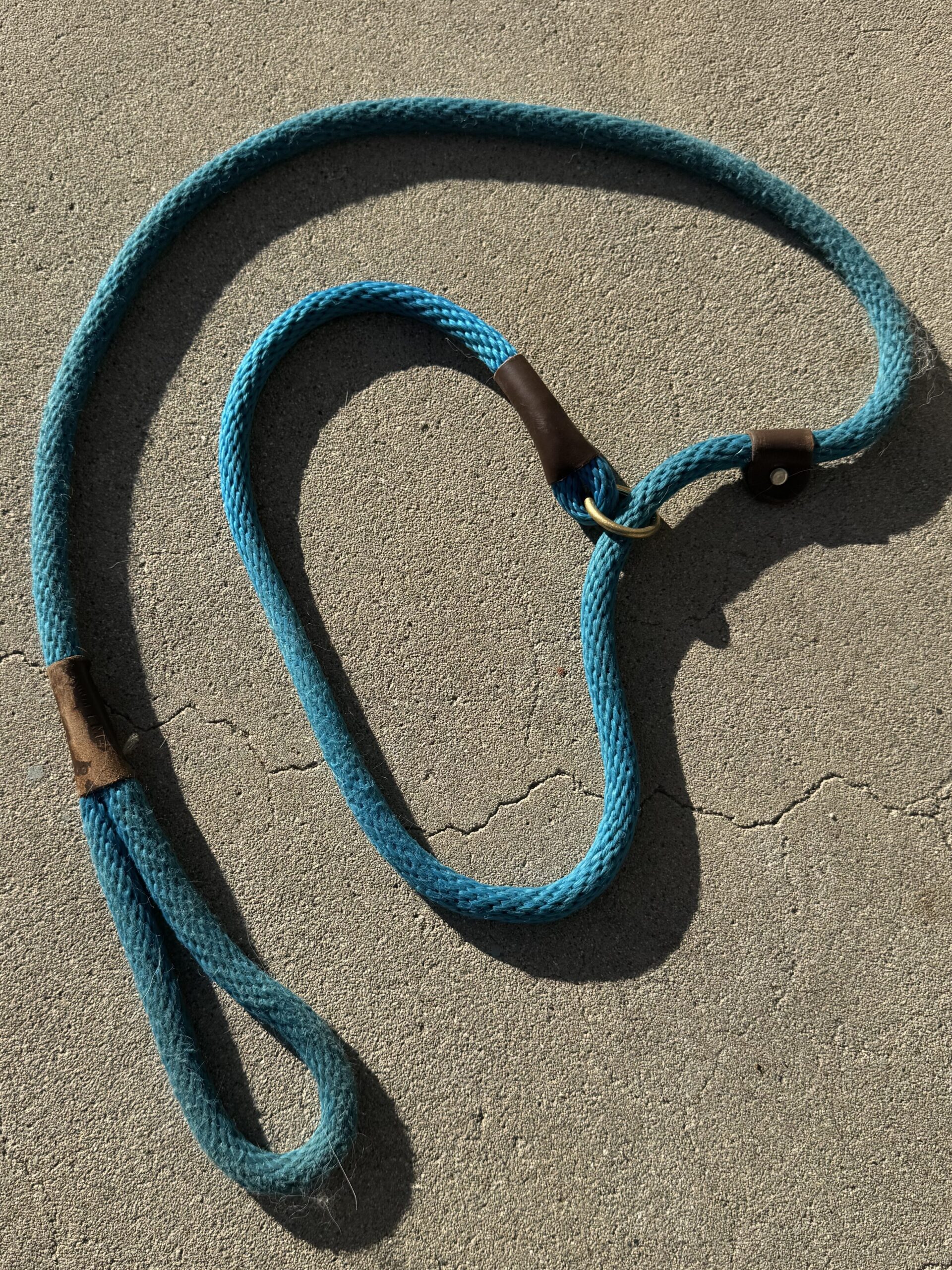
My Short List: Trainer-Trusted Slip Leads
Toy and small dogs (up to ~20 lb)
Medium dogs (20–50 lb)
Large and strong pullers (50+ lb)
Wet, beach, and trail days
Quick FAQ
What length is best?
Four to six feet for most walks and training. It’s long enough for natural movement, short enough for control.
When should I use a long line instead of a retractable one? For recall practice, a 15–30-foot-long line attached to a harness provides more distance with fewer hazards. Use only in open spaces, never near roads.
What if my dog pulls hard or has airway concerns?
Try a front-clip harness to shift pressure off the neck while you teach loose-leash skills. Pair with short, focused sessions.
In closing, using the right leash keeps the conversation clear. Skip retractable leashes for daily life, consider them only for controlled recall practice, and lean on a well-fit slip lead or front-clip harness to build calm, confident walks.
If you love swapping stories and tips about life with dogs, I’d love to have you join me over on my Substack, BlissDog, where I share heart-centered essays, dog-inspired rituals, and behind-the-scenes stories from life with Seven and Paige Turner. Come sit, stay, and read with us — your dog-loving heart will be in good company.
More Paws on the Go Posts . . .
(Our site may contain links to affiliate websites, and we receive an affiliate commission for any purchases made by you on the affiliate website using such links.)